ग्लोबल स्मार्टफोन मार्केट तेजी से बदल रहा है, और इस प्रतिस्पर्धा में Xiaomi ने एक बार फिर अपनी मजबूत पकड़ साबित की है। कंपनी ने हाल ही में Redmi Note 15 Pro और Redmi Note 15 Pro 5G को लॉन्च किया है, जो Redmi Note सीरीज़ की लोकप्रियता को और आगे बढ़ाते हैं।
इन नए स्मार्टफोन्स में बड़े बदलाव करने की बजाय ऐसे अपग्रेड दिए गए हैं जो सीधे यूज़र के डेली इस्तेमाल को बेहतर बनाते हैं। बेहतर बैटरी, मजबूत डिजाइन, शानदार डिस्प्ले और अपडेटेड सॉफ्टवेयर के साथ ये सीरीज़ उन यूज़र्स के लिए बनाई गई है जो कम कीमत में भरोसेमंद और पावरफुल फोन चाहते हैं।
बड़ी बैटरी और स्मार्ट चार्जिंग टेक्नोलॉजी
इस सीरीज़ की सबसे बड़ी खासियत इसकी बैटरी है। Redmi Note 15 Pro (4G) में 6500mAh की बड़ी बैटरी दी गई है, जो लंबे समय तक चलने के लिए डिजाइन की गई है। चाहे आप वीडियो देखें, गेम खेलें या सोशल मीडिया इस्तेमाल करें, यह बैटरी आपको बार-बार चार्जिंग से बचाती है।

वहीं Redmi Note 15 Pro 5G में 6580mAh की सिलिकॉन-कार्बन बैटरी दी गई है, जो नई टेक्नोलॉजी पर आधारित है। यह बैटरी ज्यादा पावर स्टोर कर सकती है, बिना फोन को भारी बनाए। इसका मतलब है ज्यादा बैटरी लाइफ और बेहतर पोर्टेबिलिटी।
दोनों मॉडल्स में 45W फास्ट चार्जिंग सपोर्ट मिलता है, जो तेजी से चार्जिंग के साथ बैटरी की हेल्थ को भी सुरक्षित रखता है। इसके अलावा, 5G मॉडल में 22.5W रिवर्स चार्जिंग और 4G मॉडल में 18W रिवर्स चार्जिंग दी गई है, जिससे आप दूसरे डिवाइस भी चार्ज कर सकते हैं।
शानदार AMOLED डिस्प्ले और स्मूथ एक्सपीरियंस
डिस्प्ले के मामले में भी Xiaomi ने अच्छा काम किया है। दोनों स्मार्टफोन्स में फ्लैट AMOLED डिस्प्ले दिया गया है, जो यूज़ करने में आसान और ज्यादा टिकाऊ होता है।
Redmi Note 15 Pro 5G में 6.83-इंच का बड़ा AMOLED डिस्प्ले है, जिसमें 1.5K रेजोल्यूशन मिलता है। यह स्क्रीन वीडियो देखने, गेम खेलने और मल्टीटास्किंग के लिए बेहतरीन है।
वहीं 4G मॉडल में 6.77-इंच का AMOLED डिस्प्ले है, जिसमें Full HD+ रेजोल्यूशन दिया गया है। यह भी रोजमर्रा के इस्तेमाल के लिए काफी शानदार अनुभव देता है।
दोनों फोन्स में 120Hz रिफ्रेश रेट मिलता है, जिससे स्क्रॉलिंग और एनिमेशन बहुत स्मूथ हो जाते हैं। इसके अलावा 3200 निट्स तक की ब्राइटनेस इसे धूप में भी आसानी से इस्तेमाल करने लायक बनाती है।
मजबूत डिजाइन और वाटर प्रोटेक्शन
डिजाइन और मजबूती के मामले में भी यह सीरीज़ काफी बेहतर है। Redmi Note 15 Pro (4G) में IP65 रेटिंग दी गई है, जो इसे धूल और हल्के पानी से सुरक्षित रखती है।
दूसरी तरफ, Redmi Note 15 Pro 5G में IP68 और IP69K रेटिंग मिलती है, जो इसे पानी और धूल से ज्यादा सुरक्षित बनाती है। इस तरह की प्रोटेक्शन आमतौर पर मिड-रेंज स्मार्टफोन्स में कम देखने को मिलती है।
इसका मतलब है कि आप इन डिवाइसेस को बिना ज्यादा चिंता के रोजमर्रा की परिस्थितियों में इस्तेमाल कर सकते हैं।
पावरफुल प्रोसेसर और स्मूथ परफॉर्मेंस
परफॉर्मेंस के लिए दोनों फोन में नए MediaTek प्रोसेसर दिए गए हैं। Redmi Note 15 Pro (4G) में Helio G200-Ultra प्रोसेसर है, जो डेली टास्क और हल्की गेमिंग के लिए अच्छा है।
वहीं Redmi Note 15 Pro 5G में Dimensity 7400-Ultra प्रोसेसर दिया गया है, जो बेहतर स्पीड, कनेक्टिविटी और AI फीचर्स प्रदान करता है।
दोनों फोन्स में 8GB और 12GB RAM के ऑप्शन मिलते हैं, साथ ही 256GB और 512GB स्टोरेज भी उपलब्ध है। इससे यूज़र्स को स्मूथ मल्टीटास्किंग और लंबी अवधि तक बेहतर परफॉर्मेंस मिलती है।
200MP कैमरा: हाई क्वालिटी फोटोग्राफी
कैमरा सेगमेंट में भी यह सीरीज़ मजबूत है। दोनों स्मार्टफोन्स में 200MP का मेन कैमरा दिया गया है, जो डिटेल्ड और क्लियर फोटो क्लिक करता है।
5G मॉडल में 8MP अल्ट्रा-वाइड कैमरा भी मिलता है, जिससे आप बड़े एरिया की फोटो ले सकते हैं। 4G मॉडल में भी अल्ट्रा-वाइड लेंस मौजूद है।

सेल्फी के लिए 4G मॉडल में 32MP फ्रंट कैमरा और 5G मॉडल में 20MP फ्रंट कैमरा दिया गया है। दोनों ही वीडियो कॉल और सोशल मीडिया के लिए अच्छे रिजल्ट देते हैं।
साथ ही, Xiaomi ने कैमरा सॉफ्टवेयर को भी बेहतर बनाया है, जिससे फोटो प्रोसेसिंग और इमेज क्वालिटी में सुधार हुआ है।
नया सॉफ्टवेयर एक्सपीरियंस
दोनों स्मार्टफोन्स में Android 15 पर आधारित HyperOS 2.0 मिलता है। यह सॉफ्टवेयर पहले से ज्यादा स्मूथ, तेज और यूज़र-फ्रेंडली है।
इसमें बेहतर एनिमेशन, स्मार्ट फीचर्स और ऑप्टिमाइज्ड परफॉर्मेंस मिलती है, जिससे फोन इस्तेमाल करना आसान और तेज हो जाता है।
डिजाइन, कलर और कीमत
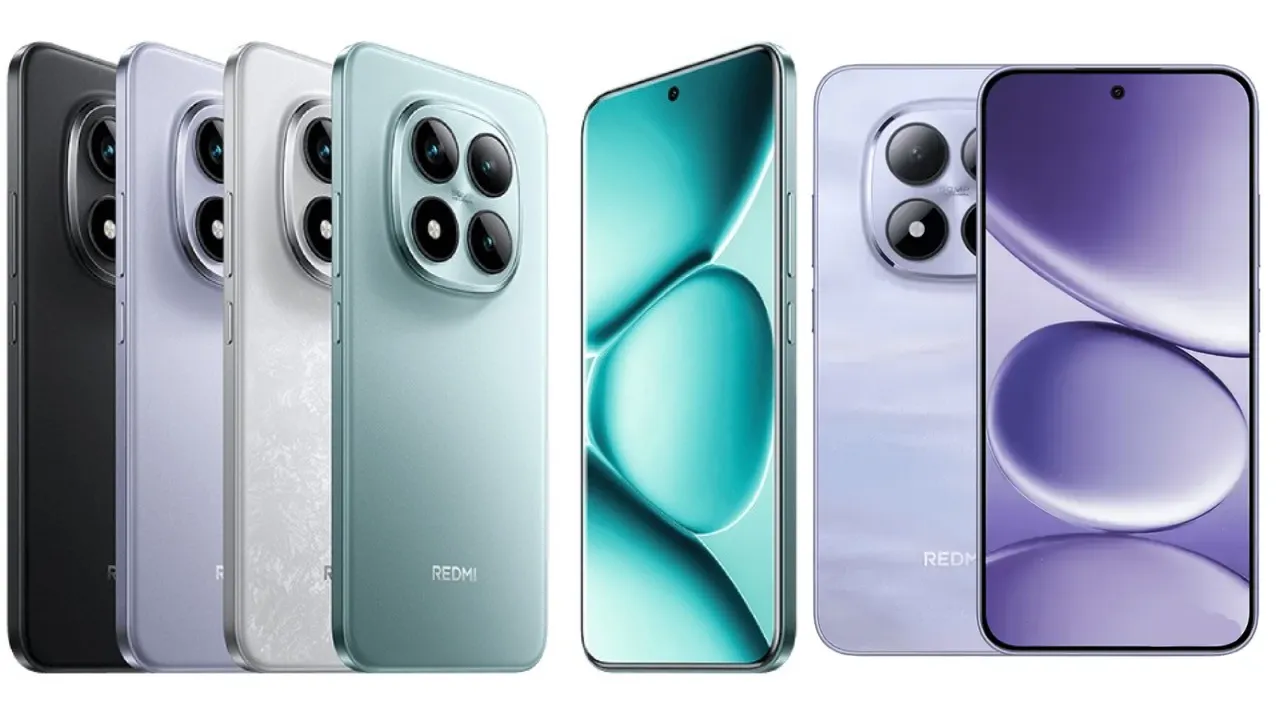
Redmi Note 15 Pro सीरीज़ का डिजाइन सिंपल लेकिन प्रीमियम फील देता है।
4G मॉडल Titanium, Glacier Blue और Black कलर में उपलब्ध है, जबकि 5G मॉडल Titanium, Glacier Blue, Mist Purple और Black में आता है।
कीमत की बात करें तो:
- Redmi Note 15 Pro (4G) की शुरुआती कीमत लगभग €349 है
- Redmi Note 15 Pro 5G की शुरुआती कीमत लगभग €399 है
फाइनल वर्डिक्ट
Redmi Note 15 Pro सीरीज़ उन यूज़र्स के लिए एक बेहतरीन विकल्प है जो कम कीमत में बेहतर फीचर्स चाहते हैं।
अगर आपका बजट कम है और आप एक भरोसेमंद स्मार्टफोन चाहते हैं, तो Redmi Note 15 Pro (4G) सही विकल्प है। वहीं अगर आप बेहतर परफॉर्मेंस, ज्यादा मजबूती और एडवांस फीचर्स चाहते हैं, तो Redmi Note 15 Pro 5G ज्यादा अच्छा रहेगा।
कुल मिलाकर, Xiaomi ने इस सीरीज़ के जरिए एक बार फिर साबित किया है कि वह मिड-रेंज स्मार्टफोन सेगमेंट में शानदार बैलेंस देने में माहिर है।
अक्सर पूछे जाने वाले सवाल (FAQs)
1. Redmi Note 15 Pro की बैटरी कितनी है?
इसमें 6500mAh बैटरी है, जबकि 5G मॉडल में 6580mAh बैटरी मिलती है।
2. क्या यह फास्ट चार्जिंग सपोर्ट करता है?
हाँ, दोनों फोन 45W फास्ट चार्जिंग सपोर्ट करते हैं।
3. कैमरा कितना मेगापिक्सल का है?
दोनों में 200MP का मेन कैमरा दिया गया है।
4. क्या यह वॉटरप्रूफ है?
4G मॉडल में IP65 और 5G मॉडल में IP68/IP69K रेटिंग मिलती है।
5. कौन सा मॉडल बेहतर है?
5G मॉडल ज्यादा पावरफुल है, लेकिन 4G मॉडल बजट के हिसाब से बेहतर है।