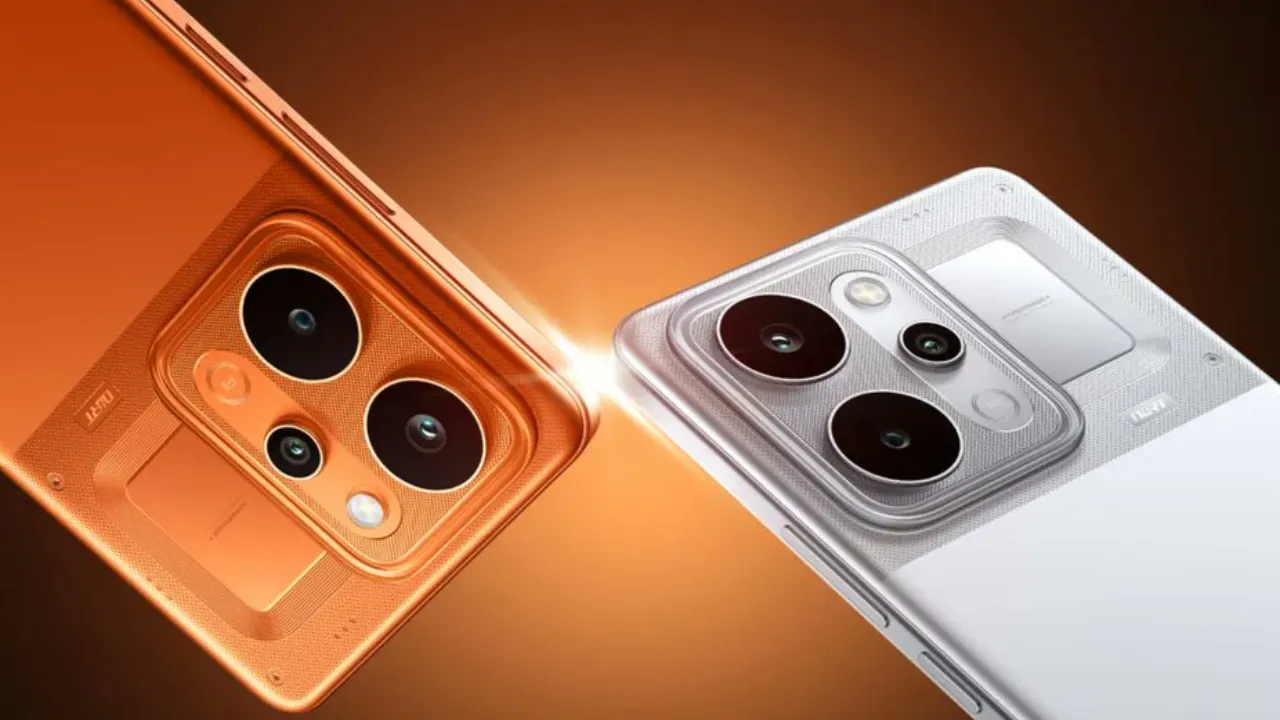
The smartphone is no longer just a communication device for today’s youth. For Gen Z users, it has become a statement of identity, creativity, and everyday lifestyle. Design, feel, and visual personality now carry as much importance as performance and features. Recognising this shift, realme has unveiled the design philosophy behind its upcoming realme P4 Power, positioning it as a smartphone created with a clear “For Gen Z, By Gen Z” mindset.
This approach reflects a deeper understanding of how younger users interact with technology. Instead of treating design as an afterthought, realme has focused on making the smartphone feel personal, expressive, and relatable, while still meeting the expectations of modern performance and durability.
Evolution of Youth-Centric Design in the realme P Series
Over the years, the realme P Series has built a strong reputation for offering youthful and functional design tailored specifically for Indian users. Earlier models in the lineup focused on clean surfaces, bold colour options, and practical finishes that balanced daily usability with visual appeal.

As user preferences evolved, so did the design language of the series. realme consistently adapted its approach by observing how young consumers use their smartphones, how they express themselves, and what they expect from a device that stays with them throughout the day. This evolution has resulted in designs that feel accessible, modern, and closely aligned with the lifestyle of Gen Z.
realme P4 Power Takes a Bold Step Forward
With the realme P4 Power, the brand takes a more intentional leap toward youth-driven design. The smartphone has been conceptualised to go beyond surface-level aesthetics and focus on emotional connection. The idea is simple yet powerful: technology should not only perform efficiently but also reflect the personality of the user.
At the core of this philosophy lies the belief that Gen Z values authenticity. They prefer products that feel honest, expressive, and thoughtfully designed rather than overly polished or generic.
TransView Design Highlights Technology as Art
The standout element of the realme P4 Power is its TransView Design. Instead of hiding technical inspiration behind opaque layers, this design language brings it to the forefront. Transparency, clarity, and openness define the visual identity, aligning closely with how Gen Z perceives modern technology.
The upper crystal-style panel showcases circuit-inspired patterns, precise technical detailing, and visible screw elements. These design choices celebrate the engineering behind the smartphone, transforming internal inspiration into an external visual statement. The result is a bold, tech-forward look that feels raw, real, and expressive.
Matte Finish Balances Comfort and Personal Style
Complementing the transparent upper section is a lower matte panel finished in bold, fashion-forward colours. This section is designed with comfort and usability in mind, offering a secure grip while maintaining a clean and confident appearance.
The contrast between the crystal-style top and the matte lower panel creates a balanced design where strength meets comfort. It reflects the idea that performance and personality can coexist without compromise.

Power of Paradox: Where Contrast Becomes Identity
The overall aesthetic of the realme P4 Power is rooted in the brand’s Power of Paradox design philosophy. This concept embraces contrasts rather than avoiding them. Boldness blends with balance, playfulness aligns with purpose, and advanced technology merges seamlessly with self-expression.
Instead of choosing a single direction, the design proves that opposing elements can complement each other. This layered visual identity resonates strongly with Gen Z, a generation known for embracing individuality and contrast in everyday life.
Pearl Academy Collaboration Brings Student Creativity to Life
What truly sets the realme P4 Power apart is the collaborative effort behind its design. realme partnered with Pearl Academy, one of India’s leading design institutions, to involve students directly in the creative process.
Through structured workshops and hands-on sessions, students worked alongside realme’s design and product teams. Their involvement spanned from early sketches and conceptual discussions to refined design ideas, giving them real-world exposure to how mass-market products are developed.
Student Concept Influences Final Smartphone Design
For the first time, inputs from students played a direct role in shaping the design of a mainstream smartphone. Among several submissions, a design concept created by Sankalp Panchal was shortlisted and taken forward for integration into the final product.
This collaboration not only added fresh perspectives to the device but also helped students understand practical considerations such as feasibility, timelines, and consumer expectations. It demonstrated how creative ideas evolve into finished products that reach millions of users.
Strengthening realme’s Connection with Gen Z
With the realme P4 Power, the brand reinforces its position as a youth-focused smartphone maker that actively listens to its audience. By placing Gen Z creators at the centre of the design process, realme goes beyond simply targeting young users and instead involves them in shaping the product itself.
This approach reflects a growing trend where brands aim to build deeper connections by encouraging participation and co-creation. As design continues to play a crucial role in smartphone choices, the realme P4 Power stands as an example of how technology, creativity, and youth culture can come together in a meaningful way.